





Machine tooling: a key element of the production system
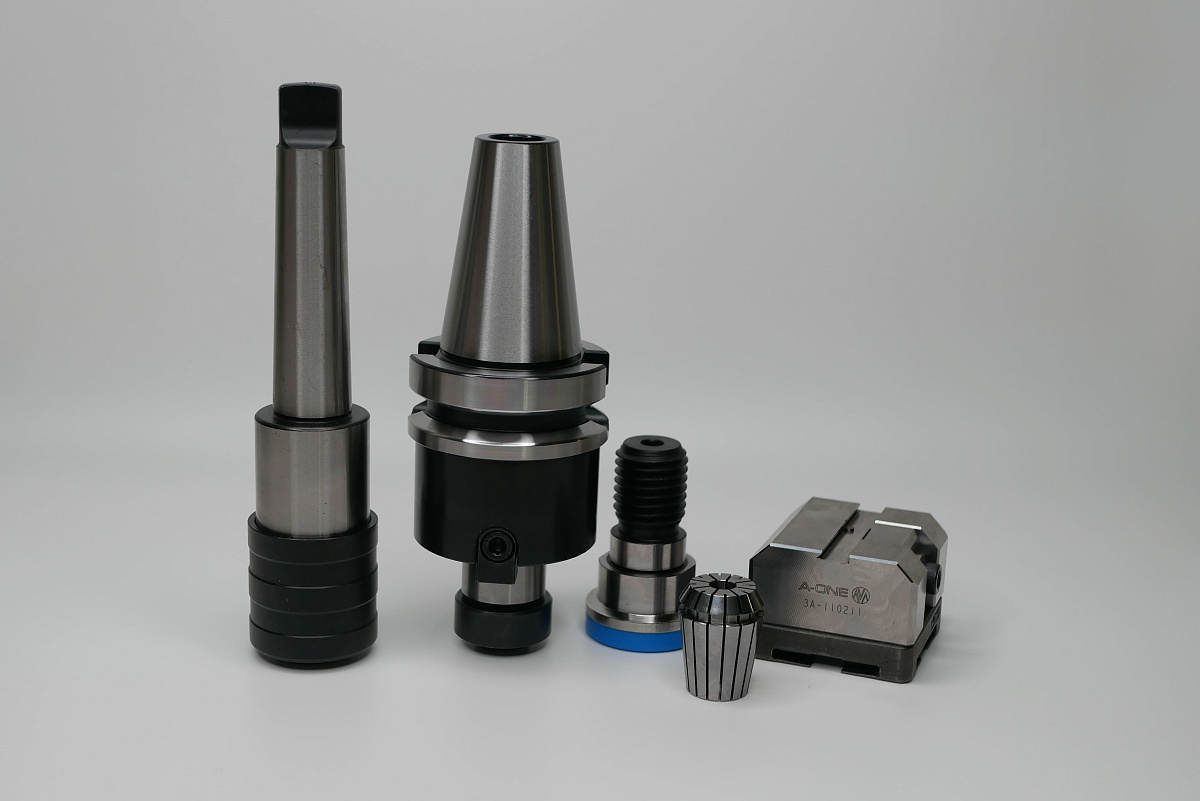
Contents:
- 1. The role of tooling in the production system
- 2. Classification of machine and tool fixtures
- 3. Positioning and clamping: engineering logic of accuracy
- 4. Tooling by machine groups
- 5. Fixture design: from task to drawing
- 6. Accuracy: where millimeters and microns are born
- 7. Tooling for CNC and flexible manufacturing cells
- 8. Integration with measuring instruments and quality
- 9. Practical recommendations for choosing tooling
- 10. Special notes by equipment groups
1. The role of tooling in the production system
The functions of tooling in metalworking are reduced to four tasks: positioning, clamping, tool guidance, and workplace organization.
- Positioning — giving the workpiece a defined position by removing six degrees of freedom.
- Clamping — transmitting cutting forces without shifting reference surfaces.
- Tool guidance — especially relevant in drilling and boring.
- Workplace organization — reducing auxiliary setup/removal time and improving safety.
2. Classification of machine and tool fixtures
2.1 By functional purpose
- Fixtures for positioning and clamping workpieces.
- Fixtures for positioning and clamping cutting tools.
2.2 By degree of specialization
- Universal (UP).
- Universal-adjustable (UNP).
- Specialized non-adjustable (SBP).
- Special (single-purpose).
- Universal-assembly (USP).
2.3 By kinematics and layout
- Stationary, movable, tilting, rotary.
- Single-station/multi-station.
2.4 By clamping method and drive
- Manual mechanical.
- Pneumatic and hydraulic.
- Vacuum and magnetic.
2.5 By tool guidance method
- Drill jigs.
- Drill bushings.
- Templates and patterns.
3. Positioning and clamping: engineering logic of accuracy
Positioning is the choice and implementation of reference surfaces that remove degrees of freedom. It is important to avoid over-definition and to consider the condition of reference surfaces.
4. Tooling by machine groups
4.1 Lathes
Main elements: chucks, collet chucks, faceplates, steadies, centers.
4.2 Milling machines
Main elements: machine vises, plates, modular systems, rotary tables, vacuum tables.
4.3 Drilling and boring operations
Main elements: drill jigs, bushings, multi-spindle heads, templates.
5. Fixture design: from task to drawing
Stages: task definition, choice of references, layout, calculation of forces and accuracy, design of units, documentation.
6. Accuracy: where millimeters and microns are born
Sources of errors: positioning, clamping, tool guidance, fixture’s own errors, installation on the machine.
7. Tooling for CNC and flexible manufacturing cells
Features: quick changeover, sensor integration, multi-sided machining.
8. Integration with measuring instruments and quality
The “tooling — measurement — correction” link ensures controlled quality.
9. Practical recommendations for choosing tooling
- Base choice on batch size and part variety.
- Clamp the base part with short force paths.
- Standardize interfaces.
- Select clamping drives according to cycle time.
- Consider behavior of thin-walled parts.
- Plan for maintenance.
10. Special notes by equipment groups
- Turning — priority on concentricity.
- Milling — rigidity and symmetrical clamping.
- Drilling and boring — accuracy of jig systems.
Conclusion
Machine tooling is a key element of the production system, ensuring stability, accuracy, and efficiency. Proper choice determines part quality, safety, and productivity.
Important information!
The information presented in technical articles and reviews on the Site is for informational and educational purposes only and is intended for general understanding of the principles of operation, characteristics, and application of cutting tools and machine tooling.
All calculations, formulas, recommendations, and technical data provided in the materials are taken from manufacturer catalogs and may be used only as reference values. Final determination of parameters and application conditions must be made by a qualified specialist (technologist, engineer) in production or by a qualified employee of our company.
Iron Park LLC is not responsible for possible errors, omissions, or misuse of the information contained in the articles and reviews.
We recommend always consulting a technical specialist before applying recommendations in production conditions.